
The Difference Between a Good Product and a Great Result
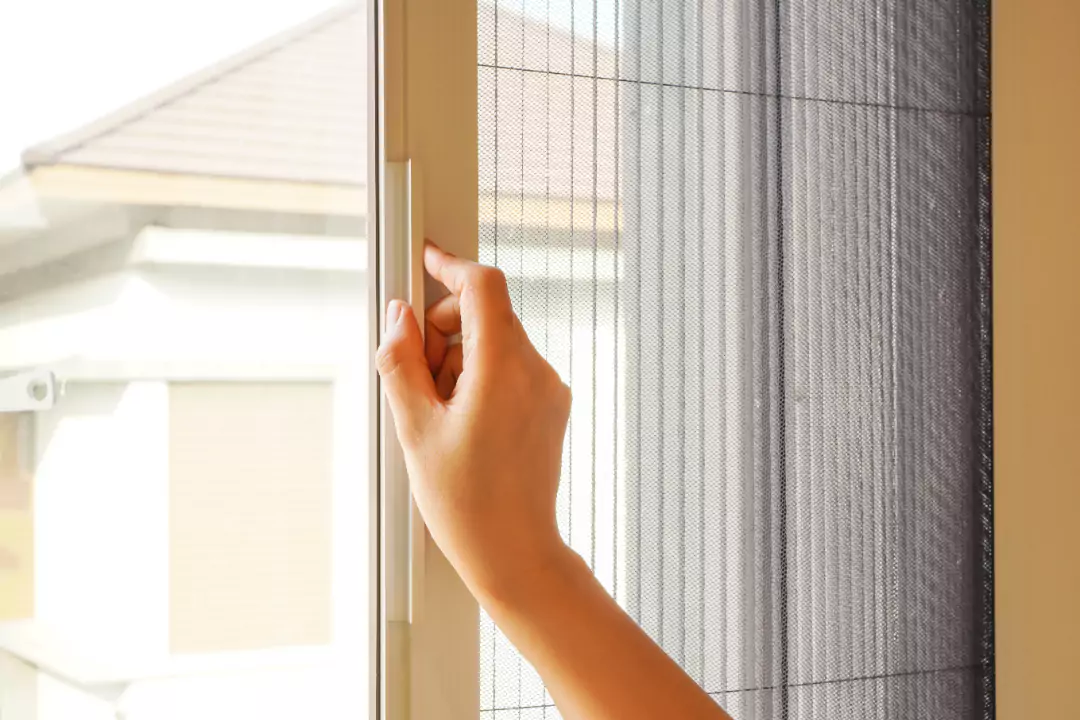
When homeowners invest in security screens, they usually focus on the product itself. The mesh strength, frame quality and locking systems often take centre stage during the decision making process. While those things are important, the way the product is installed can have just as much influence on how well it performs over time.
Professional installers understand how different homes vary in structure. For example the walls may not always be perfectly straight, older door frames can shift slightly over time and measurements need to be extremely precise. Experienced installers account for these variables and adjust the installation process accordingly. The result is a security screen that operates smoothly, closes properly and performs the way it was designed to for years.
Small Installation Errors Can Create Big Problems
At first glance, installing a screen door or window screen may seem like a fairly straightforward task. Many people assume it is simply a matter of attaching the frame and securing a few screws. In reality, the process requires far more precision than it appears.
Security screens must sit perfectly within the doorway or window opening. If the frame is not level, the door may fail to close correctly or the locking system may not align properly. Over time, this can lead to wear on the hinges, stress on the frame, or gaps that reduce the effectiveness of the screen. These small issues may not be noticeable on the first day after installation, although as the screen is used regularly, problems can slowly develop. A poorly aligned frame may begin to sag slightly, which affects the way the door swings and locks, and gaps around the edges may allow insects inside or reduce the security benefits the screen was meant to provide.
DIY Projects Can Become More Expensive Than Expected
Many home improvement projects start with the intention of saving money. Installing security screens yourself might seem like a simple way to reduce costs, especially when online tutorials make the process appear easy. However, the reality is that DIY installation often involves unexpected challenges. Incorrect measurements can lead to poorly fitting frames, and fixing those mistakes may require additional materials or replacement parts. If mounting holes are drilled in the wrong place or seals are installed incorrectly, the screen may need to be removed and reinstalled entirely.
There is also the cost of time to consider, because what begins as a weekend project can stretch far longer when issues arise. Extra trips to hardware stores, adjustments to the frame or troubleshooting alignment problems can quickly turn a simple job into a frustrating experience.
Long Term Performance Depends on Proper Installation
Security screens are designed to withstand daily use while maintaining their strength and appearance. To achieve this, every component needs to be installed correctly from the start and proper installation ensures hinges move smoothly, locking systems align perfectly and frames remain firmly secured. When everything is positioned correctly, the screen functions effortlessly while maintaining the level of protection it was designed to provide.
For homeowners looking to install new screens choosing custom made to order products and experienced installers makes the entire process smoother. At the end of the day, the quality of the installation plays a major role in how well the product performs.